

The 55-Day Lag: A Race Against Time
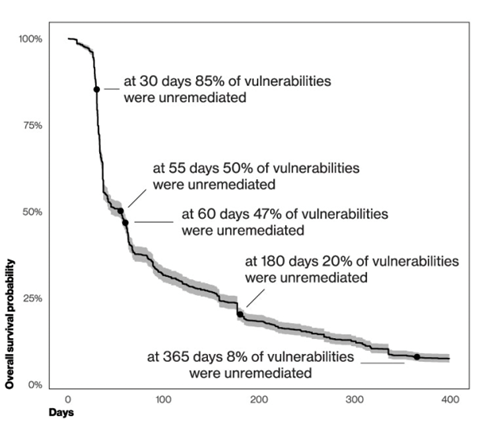
One of the most critical findings from the DBIR is the average time it takes organizations to remediate critical vulnerabilities in their web applications. The report reveals a concerning 55-day lag to patch 50% of these vulnerabilities, leaving a significant window of opportunity for attackers. This delay is particularly alarming given the speed at which cybercriminals can identify and exploit these weaknesses.
Understanding Common Web Application Vulnerabilities
To effectively mitigate web application vulnerabilities, it’s crucial to understand the most common types of attacks:
- SQL Injection (SQLi):
- Description: SQLi attacks involve injecting malicious SQL code into web application queries, allowing attackers to access or manipulate sensitive data in databases. This can lead to data breaches, unauthorized access, and even the complete takeover of a web application.
- Mitigation: Implement robust input validation and parameterized queries to prevent malicious code injection. Utilize a web application firewall (WAF) to detect and block SQLi attempts. Regularly scan for and patch known SQLi vulnerabilities.
- Cross-Site Scripting (XSS):
- Description: XSS attacks involve injecting malicious scripts into web pages viewed by other users. These scripts can steal sensitive information, such as cookies and session tokens, or perform actions on behalf of the user.
- Mitigation: Sanitize all user input to prevent the execution of malicious scripts. Implement a Content Security Policy (CSP) to restrict the sources from which scripts can be loaded. Conduct regular security testing to identify and fix XSS vulnerabilities.
- Insecure Deserialization:
- Description: Insecure deserialization occurs when untrusted data is deserialized without proper validation, allowing attackers to execute arbitrary code on the server. This can lead to remote code execution, data breaches, and other severe consequences.
- Mitigation: Avoid deserializing untrusted data whenever possible. If deserialization is necessary, implement strict type constraints and input validation. Use security tools to detect and prevent insecure deserialization attempts.
Industry-Specific and Geographic Insights
The DBIR provides detailed insights into how web application attacks vary across different industries and geographic locations:
- Industry-Specific Data:
- Financial Services: The financial services sector experiences a high volume of web application attacks, primarily due to the sensitive nature of financial data and the potential for financial gain by attackers.
- Healthcare: Healthcare organizations face web application attacks aimed at accessing sensitive patient data, which can be sold on the dark web or used for identity theft.
- Retail: Retailers are frequently targeted by web application attacks, especially during peak shopping seasons, to steal credit card information and other customer data.
- Geographic Data:
- North America: North America sees a high number of web application attacks, driven by the large number of businesses and the significant online presence of companies.
- Europe: European organizations are also targeted frequently, with attackers exploiting regulatory differences and varying levels of cybersecurity maturity.
- Asia-Pacific: The Asia-Pacific region faces unique challenges with web application security, including a higher rate of attacks due to rapid digital transformation and varying cybersecurity standards.
Trends Over Time
Understanding how the threat landscape evolves over time is crucial for developing effective strategies:
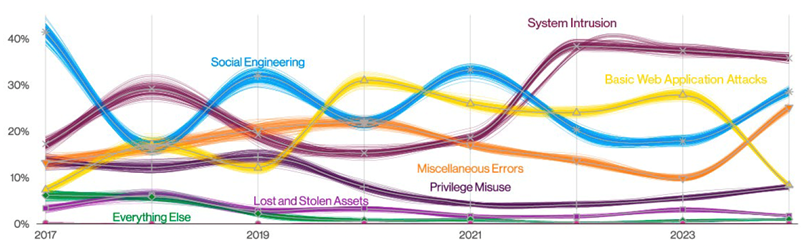
- Year-over-Year Comparison: The report indicates a significant year-over-year increase in web application attacks, with a notable rise in the complexity and sophistication of these attacks.
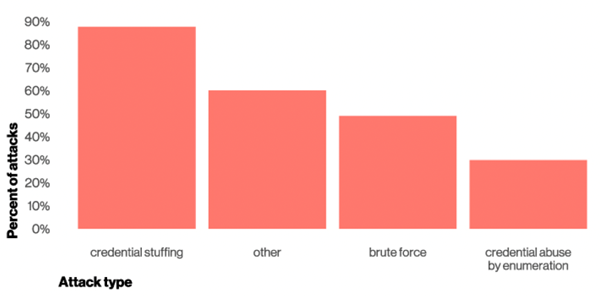
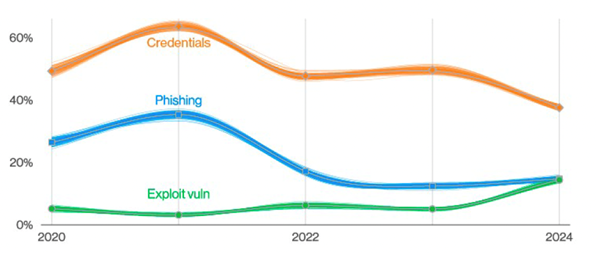
- Attack Vectors: There has been a shift in the primary attack vectors used in web application breaches, with an increase in credential stuffing and brute force attacks.
Beyond Technical Vulnerabilities: The Human Factor
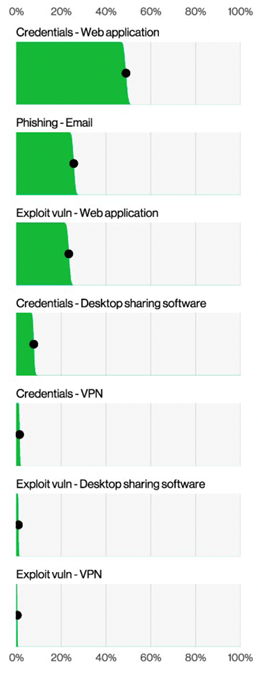
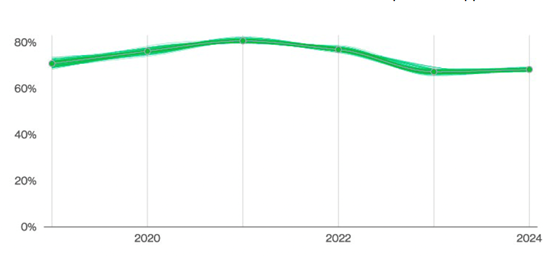
While technical vulnerabilities are a significant concern, the human element remains a critical factor in many web application breaches. The DBIR found that 68% of breaches involved a human element, often through social engineering attacks like phishing or pretexting. These attacks exploit human trust and manipulate employees into divulging sensitive information or clicking on malicious links.
Mitigation: Conduct regular security awareness training to educate employees about phishing, pretexting, and other social engineering tactics. Implement email filtering and anti-phishing solutions to detect and block malicious emails. Encourage a culture of security awareness where employees feel empowered to report suspicious activity.
A Multi-Layered Approach to Web Application Security
Protecting web applications requires a multi-layered approach that combines technical defenses, proactive security measures, and employee education. Here are some key strategies:
- Regular Security Assessments: Conduct regular vulnerability scanning and penetration testing to identify and address weaknesses in web applications before they can be exploited.
- Robust Patch Management: Implement a robust patch management process to ensure that vulnerabilities are patched promptly. Automate patch management where possible to reduce delays and minimize the window of opportunity for attackers.
- Web Application Firewalls (WAFs): Deploy WAFs to filter out malicious traffic and block attacks, providing an additional layer of protection for web applications.
- Strong Access Controls: Enforce strong password policies, implement multi-factor authentication (MFA), and regularly review and revoke access privileges to prevent unauthorized access.
- Security Awareness Training: Provide comprehensive security awareness training to employees to help them recognize and avoid phishing scams, social engineering tactics, and other cyber threats.
Conclusion
Web applications are critical to modern business operations but also present significant security challenges. The Verizon 2024 DBIR highlights the importance of timely vulnerability remediation and a multi-faceted security strategy. For CIOs, CISOs, and CEOs, understanding these challenges and implementing robust security measures is crucial to safeguarding their organizations.
By leveraging the insights from this report and adopting proactive security practices, organizations can better protect their web applications and ensure resilience against cyber threats. Remember, web application security is not a one-time effort but an ongoing process. By staying vigilant, adapting to new threats, and continuously improving your security posture, you can ensure the resilience of your web applications in the face of ever-evolving cyber risks.
Call to Action:
- CIOs: Ensure your IT teams have the resources and tools necessary for timely vulnerability remediation and regular security testing.
- CISOs: Review and update your web application security policies and practices based on the latest threat intelligence.
- CEOs: Invest in cybersecurity measures and foster a culture of security awareness across the organization.
By addressing the specific challenges faced by web applications and improving vulnerability remediation processes, your organization can better protect its digital infrastructure and maintain a strong security posture