

Introduction
India’s rapidly developing digital financial sector has enormous potential, but it also makes it a more attractive target for hackers looking to take advantage of weaknesses. The Reserve Bank of India (RBI) has required the deployment of Web Application Firewalls (WAFs) to strengthen defenses against cyberattacks, acknowledging the urgency with which this vital sector needs to be protected. To assure compliance, the RBI has released precise guidelines, underscoring the necessity for strong WAF solutions for proactive protection against threat scenario. This blog article examines the importance of this directive, the changing risks it tackles, and the all-encompassing advantages that WAFs provide for safeguarding India’s financial frontier.
Why WAFs?
Web Application Firewalls (WAFs) are sophisticated cybersecurity tools that act as virtual shields, protecting web applications from various attacks. They meticulously filter and monitor traffic, allowing legitimate requests through while blocking malicious activity. The RBI’s directive stems from several critical factors:
- Rising Cyber Attacks: According to CERT-In, there has been a significant increase in unauthorized scans, vulnerable services, and malware attacks targeting financial institutions. In fact, cybercrime in India has seen a 300% increase in the past few years, with financial institutions being a prime target.
- Real-World Threats: Indian banks and financial services have been targeted by hacking groups and DDoS attacks, jeopardizing sensitive data and disrupting operations.
- Protecting Sensitive Data: WAFs safeguard customer information, financial transactions, and proprietary data, which are prime targets for cybercriminals.
- Ensuring Business Continuity: WAFs prevent service disruptions caused by cyberattacks, maintaining customer trust and operational efficiency.
How WAFs Combat Specific Threats
WAFs provide a multi-layered defense against a variety of cyber threats. They are designed to address the following specific threats that the RBI has identified as critical:
- Unauthorized Access: Prevent unauthorized users from accessing sensitive financial systems by validating user credentials and input data.
- Data Exfiltration: Monitor outgoing traffic to block the theft of valuable financial data, such as credit card numbers or personally identifiable information (PII).
- Zero-Day Vulnerabilities: Identify and mitigate attacks exploiting previously unknown vulnerabilities through real-time threat intelligence and anomaly detection.
Distributed Denial of Service (DDoS) Attacks: Absorb and mitigate the impact of DDoS attacks, which overwhelm servers with traffic, by distributing the load and filtering out malicious requests.
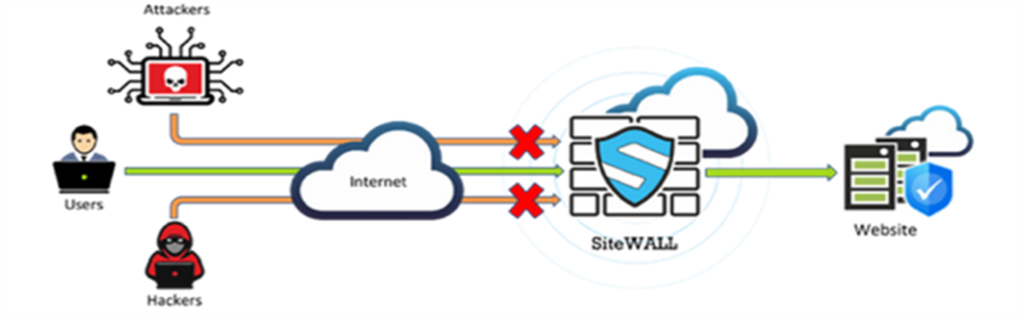
Real-World Attacks Underscore the Need for WAFs
The urgency of the RBI’s WAF directive is evident in recent cyberattacks against Indian financial institutions:
- Data Breaches: The “Infamous” group allegedly breached an Indian insurer, exposing the personal data of thousands of customers, leading to potential identity theft and fraud.
- Hacktivist Groups: Groups like LulzSec and RADNET have launched DDoS attacks against Indian banks, causing service disruptions and potential financial losses. In some cases, these attacks have resulted in millions of dollars in lost revenue. An RBI official stated, “These attacks highlight the evolving nature of threats and the need for proactive security measures like WAFs.”
- Ongoing Threats: Attacks continue, with groups like Rippersec and others actively targeting Indian financial entities.
Additionally, the RBI’s analysis of cyber incidents reported by regulated entities highlights the urgent need for robust cybersecurity measures, including WAFs, to protect against social engineering, data leakage, application security issues, and ransomware attacks.
Beyond Compliance: The Broad Benefits of WAFs
Implementing WAFs offers a multitude of benefits beyond mere regulatory compliance:
- Enhanced Security Posture: WAFs significantly strengthen the overall security of web applications. Studies have shown that organizations with WAFs experience a lower incidence of web attacks and can block 70-80% of common web application attacks.
- Customer Trust: Demonstrating a proactive commitment to cybersecurity builds trust with customers and partners, a critical factor in the financial sector. Protecting customer data and maintaining trust are paramount. The RBI’s focus on cybersecurity directly impacts customer confidence, with WAFs playing a key role in safeguarding sensitive information and preventing unauthorized access.
- Cost Savings: Preventing cyberattacks, and data breaches can save institutions millions in financial losses and reputational damage. Studies have shown that the average cost of a data breach in India is over $2 million.
- Regulatory Compliance: WAFs help institutions meet the RBI’s cybersecurity requirements and other industry standards, avoiding potential fines and penalties. The RBI’s supervisory actions focus on ensuring that financial institutions have robust cybersecurity frameworks, and WAFs play a crucial part in these frameworks.
- Brand and Reputation Protection: By preventing cyberattacks and ensuring the safety of customer data, WAFs help protect the brand and reputation of financial institutions. A secure and trustworthy image fosters customer confidence and loyalty.
- Safe and Secure Online Business: WAFs enable financial institutions to conduct online business safely and securely, providing a robust defense against cyber threats. This helps in maintaining uninterrupted online services, essential for modern financial operations.
Practical Use Cases
WAFs are useful in a variety of situations, such as:
- Safeguarding Payment Gateways: Preventing fraudulent activity and unauthorized access by mitigating SQL injection and other attacks that target sensitive transaction data.
- Stopping Account Takeovers: Preventing financial losses, protecting client accounts, and thwarting brute-force and credential stuffing attempts.
- Blocking Malicious Bots: Preventing automated attacks like site scraping and scalping while preserving fair market practices and financial data protection.
Implementing WAFs: A Step-by-Step Guide
- Assessment: Conduct a thorough risk assessment to identify your web applications’ specific vulnerabilities and security requirements.
- Selection: Choose a WAF solution that aligns with your organization’s needs and budget. Consider factors like scalability, features, auto-configuration, simplified deployment, and ease of management with au
- Configuration: Leverage pre-configured WAF rules and customize the blacklist and whitelist rules and policies to protect against the most relevant threats to your applications. Automate updates for these rules based on the latest threat intelligence.
- Deployment: Deploy the WAF in protection mode from day one, ensuring seamless integration with your existing infrastructure.
- Monitoring and Maintenance: Continuously monitor the WAF’s performance, fine-tune its settings, and stay updated on the latest threats and vulnerabilities.
Additional Protective Measures to Secure the Frontier
While WAFs are essential, they should be part of a comprehensive cybersecurity strategy that includes:
- DDoS Mitigation Services: Invest in specialized DDoS protection to defend against large-scale attacks that can overwhelm even the most robust WAFs.
- Regular Security Audits: Conduct thorough audits to identify and address any vulnerabilities in web applications, network infrastructure, and operational processes.
- Employee Training: Educate employees on cybersecurity best practices, including identifying phishing emails and avoiding social engineering attacks.
- Incident Response Planning: Develop and regularly test an incident response plan to ensure a swift and effective response to any security breaches.
The RBI’s Role in Strengthening Cybersecurity
The RBI plays a crucial role in maintaining the security and stability of India’s financial system. Its cybersecurity framework emphasizes the importance of robust security measures, including WAFs, to protect against social engineering, data leakage, application security issues, and ransomware attacks. By preventing service disruptions and data breaches, WAFs help maintain operational continuity and protect customer trust.
Future Trends in Cybersecurity
As cyber threats continue to evolve, Future trends include:
- Integration of AI and Machine Learning: For more proactive threat detection and automated response.
- Increased Automation: For faster response times and reduced manual intervention.
- Enhanced Analytics: Providing better insight into attack patterns and trends.
Staying ahead of these trends will be crucial for financial institutions aiming to maintain robust cybersecurity defenses.
Conclusion
By proactively implementing WAFs as directed by the RBI, financial institutions in India are not only adhering to regulatory requirements but also taking a decisive step towards securing the nation’s financial frontier. The comprehensive protection offered by WAFs, coupled with a holistic cybersecurity strategy, is essential for maintaining customer trust, ensuring operational resilience, and fostering a thriving digital financial ecosystem in India.
Call to Action
If you’re looking for expert guidance on implementing WAFs effectively and meeting the RBI’s cybersecurity requirements, don’t hesitate to contact the cybersecurity professionals at PageNTRA Infosec for a free consultation. Click here to schedule a consultation with our experts. We can help you assess your current security posture and implement an AI/ML-powered automated SiteWALL WAF solution to meet your application protection needs.